


Introduction
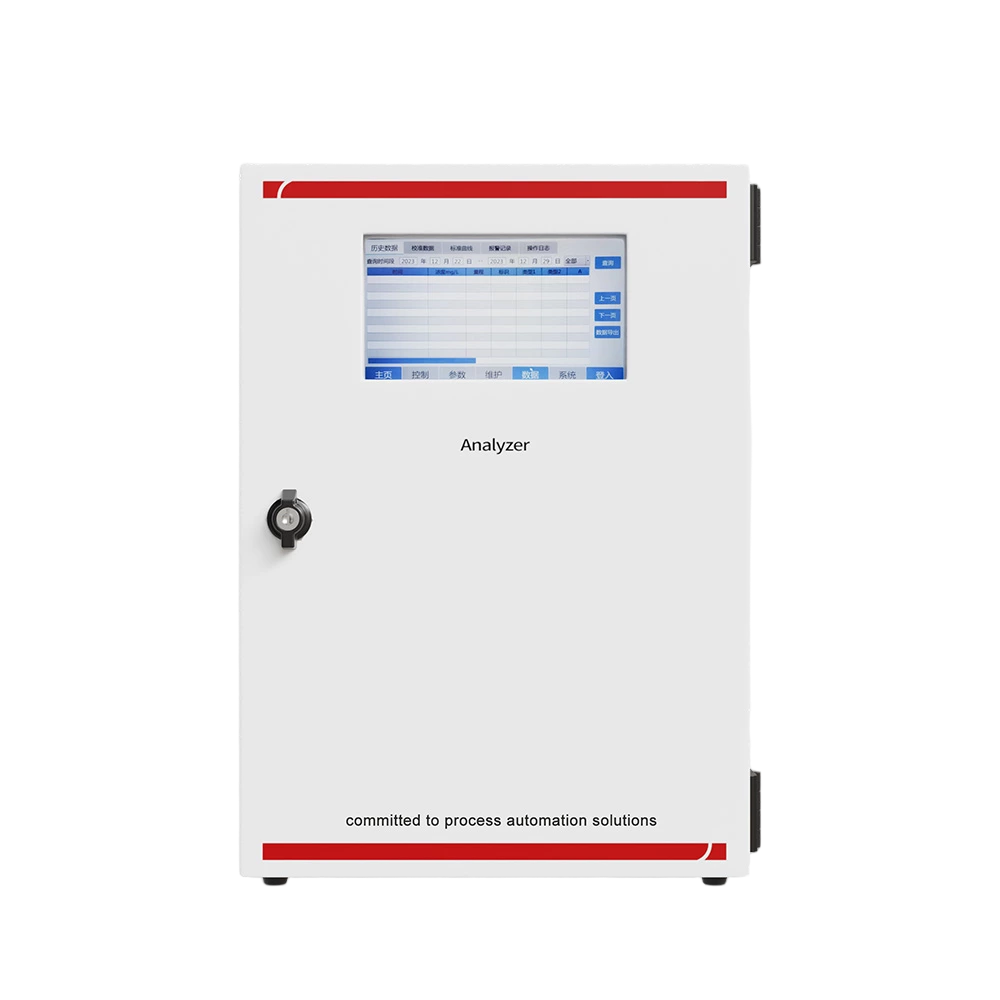
The SUP TP Analyzer Liquiline System is designed for accurate and reliable total phosphorus monitoring in phosphorus removal processes. It helps improve water treatment efficiency and supports regulatory compliance.
Using high-temperature digestion with potassium persulfate, all phosphorus compounds are converted into orthophosphate. The analyzer then measures total phosphorus concentration through spectrophotometric analysis for stable and repeatable results.
It is widely used in wastewater treatment, municipal water, industrial discharge, and environmental water monitoring.
Specification

Measuring principle
The analyzer uses a high-temperature digestion method with potassium persulfate to convert all phosphorus compounds in the sample into orthophosphate.
In an acidic medium, orthophosphate reacts with ammonium molybdate in the presence of antimony salts to form phosphomolybdate complexes. These complexes are then reduced by ascorbic acid to produce a blue-colored compound.
The intensity of the blue color is proportional to the total phosphorus concentration and is measured by spectrophotometry, enabling accurate quantification of total phosphorus in the sample.